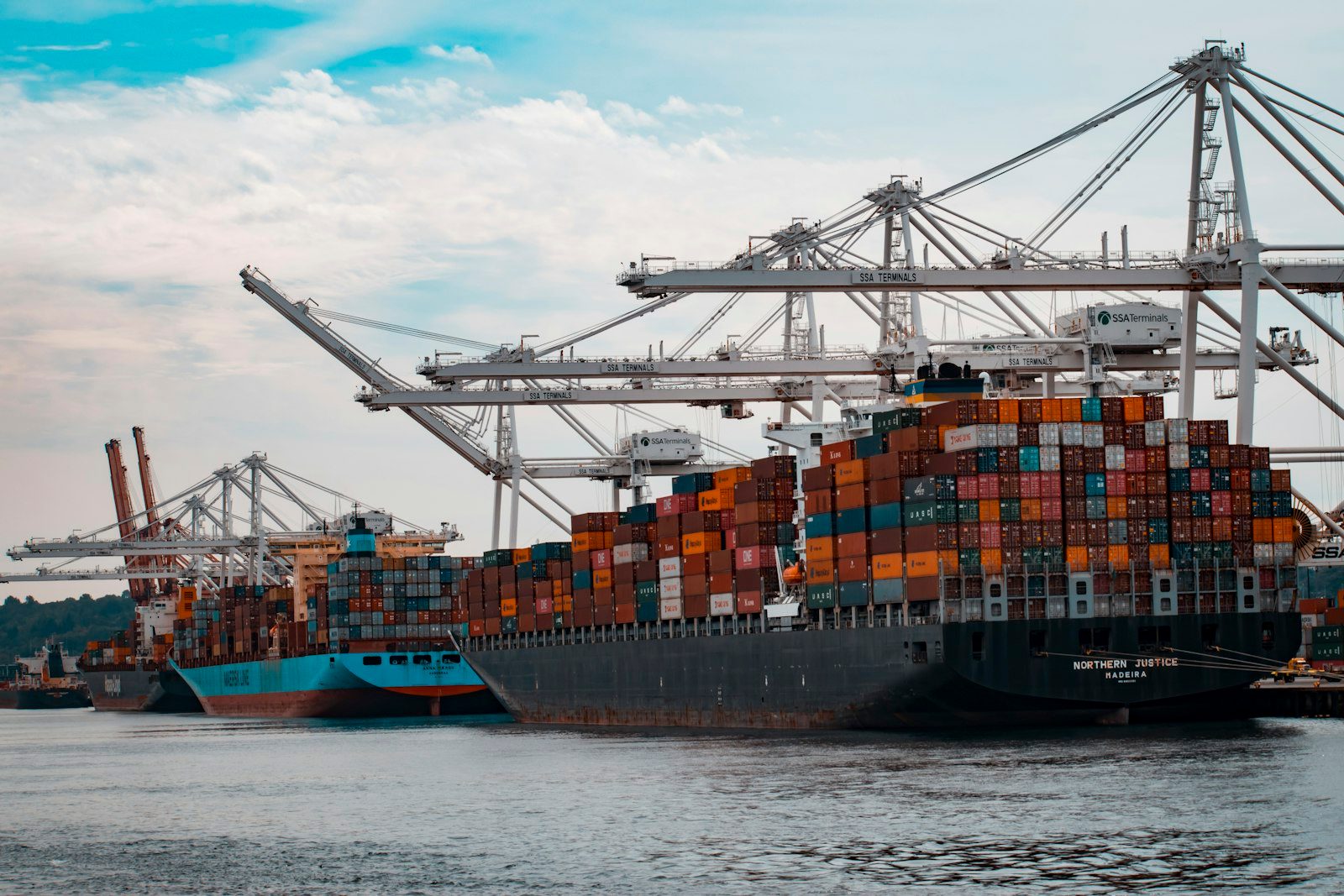

Containers at a port

4PL services

Logistics management as a service

Wiima manages your logistics chain as a whole: technology, experts and a vendor-neutral network – with one party accountable.

A fit for you if

  • Logistics is a side task for purchasing or sales, and nobody owns the whole
  • Shipments move outside the EU
  • Several forwarders or a 3PL are in use, without one overall view
  • The in-house team is stretched as the business grows

What 4PL means in practice

One point of control – less fragmentation

Choose a topic to see how 4PL centralises decisions, keeps carriers competing and brings costs and performance into a single view.

1 / 4

Two colleagues reviewing a live view on desk screens

With 4PL, Wiima takes responsibility for your logistics as a whole: what is put out to tender, how routes are chosen and how exceptions are handled. Your organisation no longer has to coordinate separate carriers day to day – one model governs the entire chain.

  • One accountable point of control
  • Clear decision points
  • Ongoing, not project by project

Who is in control under each model?

The biggest difference is not who does the work – it is who is in control.

  • Full control
  • Heavy workload
  • Does not scale

Complexity and the need for coordination grow – and without a management model, so does inefficiency.

Why are companies moving to 4PL?

Fragmented logistics drives up costs – often without anyone noticing.

Fragmented transport – several operators with no shared control

Fragmented control

  • Several carriers with no central control

  • No unified view of costs and performance

  • Freight rates drift upwards over time

  • Operational work weighs on the organisation

  • Improvement gets left undone

Eases

Cost pressure

Decreases

Manual work

Improves

Visibility

Grows

Scalability

From fragmented to managed

Freight chains keep changing

Change drivers

  • Geopolitical disruption and route changes, for example the Red Sea crisis and diversions around Suez
  • Tariffs, trade policy and export restrictions change quickly
  • Sharp swings in capacity and freight rates
  • Environmental regulation raises costs, for example the EU emissions trading system in maritime transport
  • Tighter customs and security requirements, and the documentation that comes with them

Wiima's answer

  • The right expertise

    Specialists follow the market and the rules every day.

  • Scalability

    Capacity follows volume, and growth does not call for another hire.

  • Independence

    Not tied to a single carrier: alternative routes and suppliers can be brought in quickly.

  • Live data

    Decisions and foresight rest on real-time information.

  • Continuous tendering

    Prices stay at market level as the market moves.

Change cannot be stopped – but you can prepare for it with the right operating model.

What do customers gain with 4PL?

What 4PL changes in cost, efficiency and control – in practice.

Under control

Costs

Continuous tendering helps keep rates at market level

  • Open book – no hidden costs
  • Rates stay at market level

Less manual work

Efficiency

Operational work moves to the 4PL team

  • Recurring workflows automated
  • Experts focus on complex shipments

One view

Visibility

One view of all shipments and costs

  • Data supports decision-making
  • Real-time overview

Built in

Continuous improvement

Improvement is not left as a separate project

  • Continuous, data-driven optimisation
  • Concrete actions, not just analysis

Where the savings come from

Transport savings

Current state

  • Purchasing and control are spread across units, so the volume benefit is lost
  • There is no overall view of costs and flows
  • Single shipments are optimised, not the whole
  • Export requirements are often spotted late, which causes delays and extra cost

What is optimised

  • Centralised tendering keeps prices at market level
  • Consolidation of shipments and fill rates
  • The right mode and route: parcel, LTL/FTL, sea or air
  • Rationalising the number of suppliers and contract terms
  • Auditing surcharges and invoices
  • Fewer express shipments and exception costs

Concrete savings

Based on Wiima's earlier studies: up to 20% savings potential in transport costs.
Cost / year10 %15 %20 %
€1m€100k€150k€200k
€2m€200k€300k€400k
€5m€500k€750k€1.0m

An illustrative example. Actual figures are established in the current-state review from data collected by route and transport mode.

Time savings in your organisation

When Wiima handles the logistics routines, the time of your specialists is freed for core tasks.

Work that moves to Wiima

  • Transport orders and bookings
  • Rate requests and tendering
  • Shipment tracking and customer updates
  • Handling exceptions and claims
  • Export and customs documents
  • Invoice checks and allocation
  • Supplier management and contracts
  • Reporting and cost follow-up

How the time saving arises

  • One partner handles orders, tracking, exceptions and invoice checks – you do not need to coordinate several carriers.
  • The work does not stop for holidays or sick leave, because the Wiima team handles it.
  • Your people focus on sales, production and customers instead of manual adjustment.

How much time is freed for you is established in the current-state review.

Request a current-state review

From fixed cost to variable cost


In the 4PL model, a fixed personnel cost becomes a variable cost, and the model scales. Costs do not rise in the same proportion as the business grows.

Resources flex with volume and need, without recruitment.

Cost

Cost and volume over the yearIllustrative chart across twelve months. Bars show volume, which rises in spring and autumn and falls in summer. In-house team cost steps up at the peaks and does not fall when volume drops. The 4PL cost follows volume up and down and stays below the in-house cost most of the time.

Time

  • Volume
  • In-house team
  • 4PL
Illustrative chart

Fit check

Where your logistics stands today – and what 4PL would change

Choose your current operating model. The case sharpens with every answer – with no commitment.

Question 1/5

1. Nature of your flows

Not every shipment should be handled the same way

Automation scales volume – experts solve complex shipments.

Volume
ParcelProject
Shipment complexity

1 / 2

Automation

Recurring deliveries

Recurring, straightforward deliveries that can be automated.

Shipment types

Parcel and LTL shipments

  • Courier

    All volumes

    Automation
  • Road

    • Groupage

      Automation
    • LTL & FTL

      Expert
  • Air & Sea

    LCL & FCL, out-of-gauge (OOG)

    Expert

The system handles the bulk automatically – people resolve exceptions and complex chains.

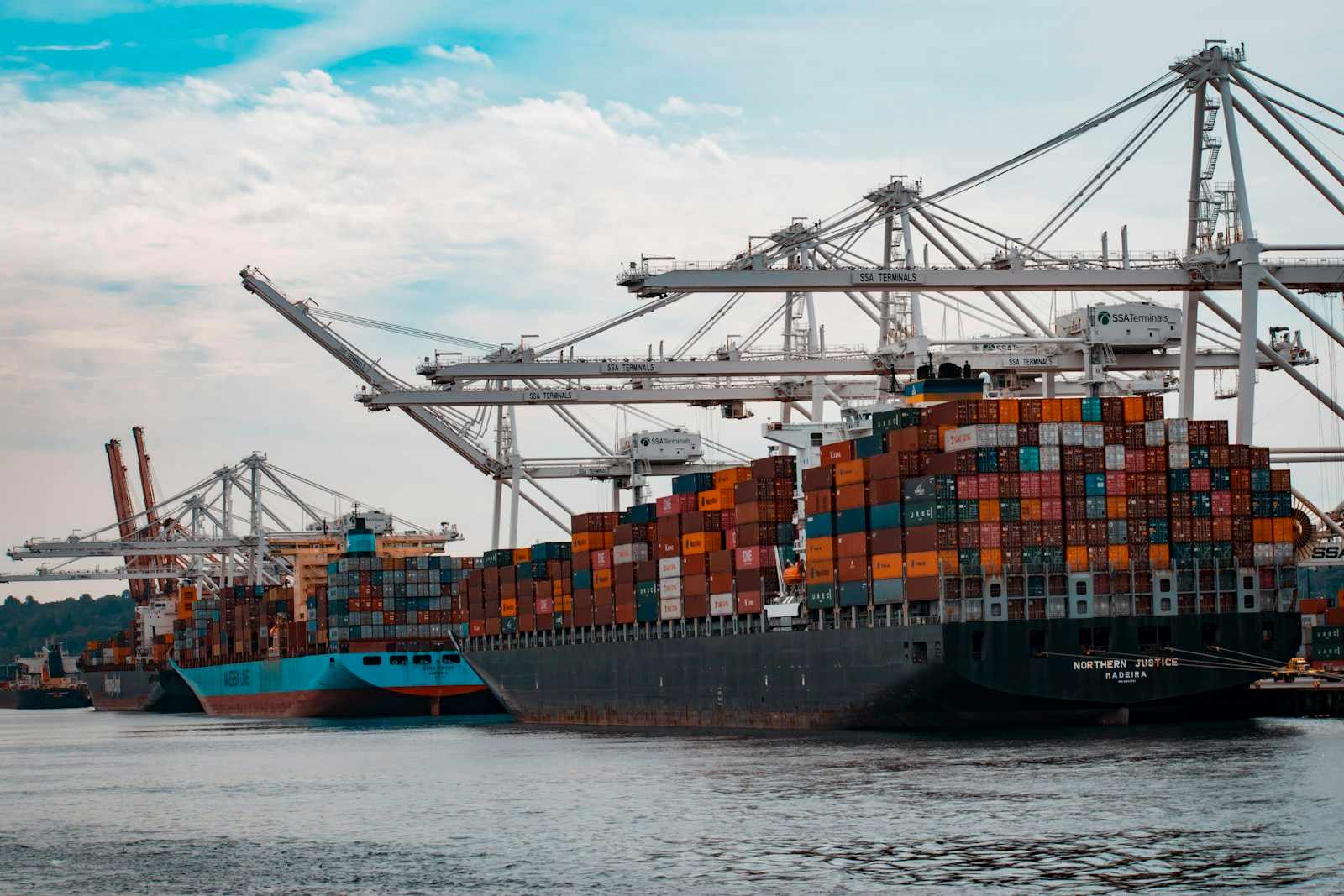
Cargo ship and port network

The chain in view

One overview from sea to road – no scattered guesswork.

How 4PL is delivered

Capabilities and service components – what the service covers and how it comes together.

Capabilities

People

  • Overall logistics management
  • Data-driven decisions and improvement

Technology

  • TMS & automation
  • Data & analytics

Network

  • Broad, vendor-neutral carrier network
  • Harnessing continuous competition

Service components

Operations

Management of daily delivery flows

TMS

Automated shipment process and reporting

Procurement

Logistics procurement strategy, tendering and supplier management

Continuous improvement

  • Current-state analysis and target-state definition
  • Implementation as part of operations, procurement and the TMS

4PL brings operations, technology and logistics procurement together into one managed whole.

AI supports control

Meri, our AI agent, handles simple freight orders quickly. A coordinator checks the result, and demanding shipments stay with an expert.

See how Meri works

What 4PL means in practice

One partner, the whole chain under control

Choose a topic and see what changes in your day-to-day when Wiima manages logistics on your behalf.

1 / 4

Laptop analytics view supporting a tendering strategy

We choose the tendering strategy that fits each transport flow – contract rates, spot tendering or a mix of the two. Rates stay at market level without separate procurement projects.

  • Strategy per flow
  • Market-level rates
  • Vendor-neutral

4PL implementation

From a current-state analysis to tendering and logistics management as a service – one phase at a time.

  1. Now

    Mapping the starting point and the objectives.

    2 weeks

  2. As-is analysis

    A detailed overall picture of costs, and a route-level analysis of the shipments included in the tender (RFQ) and of those sourced on the spot market.

    4 weeks

Fast start

Operational control can begin immediately after the as-is analysis, on your existing contracts. RFQ results are brought into the model later – the handover to Wiima does not wait for tendering to finish.

  1. RFQ project

    A tendering project in which the analysed quotes and scenario calculations (single, dual, multi-source) produce a recommended procurement strategy and the selected service providers.

    1 week

  2. RFQ results into use

    The tendered price lists are modelled on the iControl platform, which automates freight tendering, booking, tracking and reporting. The results can be brought into the model later, even if operational control has already started.

  3. Logistics management as a service (4PL)

    Technology, experts and the network come together as one unified, transparent operating model for the whole supply chain – day-to-day shipment management, procurement of logistics services and continuous improvement of the supply chain.

“Our partnership with Wiima Logistics has been a success. We have achieved measurable resource savings and seen a significant reduction in our freight management workload.”

Kristina Enqvist, COO, Lumene Oy

Read more

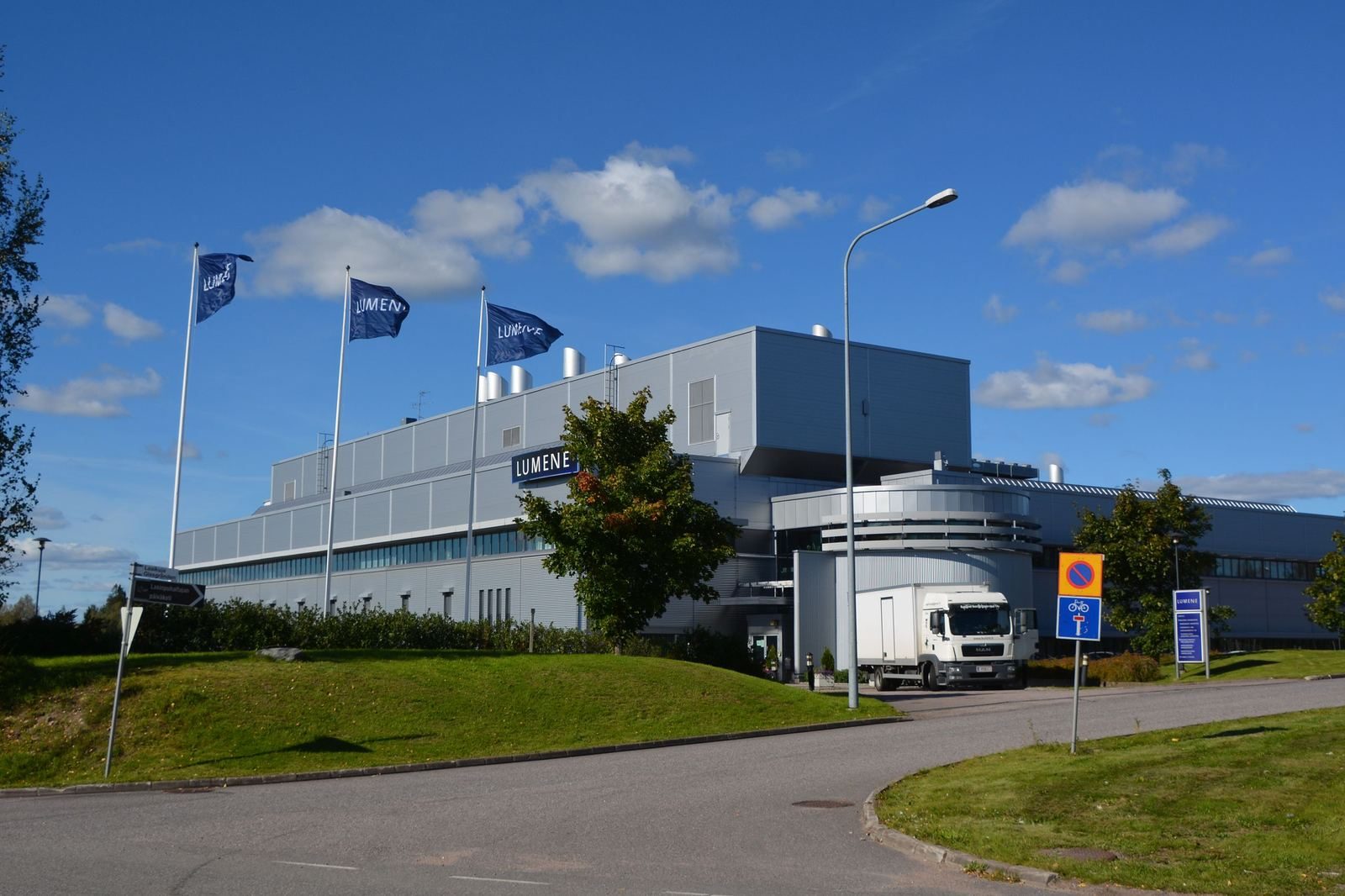
  • Koskisen
  • Langh Tech
  • Lamor
  • Kumera
  • FEON
  • Fortum
  • Ponsse
  • Lumene
  • ALMACO
  • Pemamek
  • Tiipa Tiivistepalvelu
  • Mobimar
  • Alfa Laval
  • Skeleton
  • Prysmian
  • GPV
  • LEDiL
  • Mäkinen
  • teampac
  • ISKU
  • Kempower
  • Projecta
  • Metso
  • Normet
  • Paroc (Owens Corning)
  • Wärtsilä
  • Sherwood
  • Viking Line
  • Cimcorp
  • Evac
  • drop.
  • MacGregor
  • Piikkiö Works
  • YES-EU
  • Nokian Tyres
  • Molok
  • Raute
  • Kiilto
  • Nice Trading
  • Oilon
  • Koskisen
  • Langh Tech
  • Lamor
  • Kumera
  • FEON
  • Fortum
  • Ponsse
  • Lumene
  • ALMACO
  • Pemamek
  • Tiipa Tiivistepalvelu
  • Mobimar
  • Alfa Laval
  • Skeleton
  • Prysmian
  • GPV
  • LEDiL
  • Mäkinen
  • teampac
  • ISKU
  • Kempower
  • Projecta
  • Metso
  • Normet
  • Koskisen
  • Langh Tech
  • Lamor
  • Kumera
  • FEON
  • Fortum
  • Ponsse
  • Lumene
  • ALMACO
  • Pemamek
  • Tiipa Tiivistepalvelu
  • Mobimar
  • Alfa Laval
  • Skeleton
  • Prysmian
  • GPV
  • LEDiL
  • Mäkinen
  • teampac
  • ISKU
  • Kempower
  • Projecta
  • Metso
  • Normet

All clients

When is 4PL the right solution?

  • Best forThe recurring work of day-to-day logistics.
  • You haveSeveral suppliers and customers, carriers, flows and processes.
  • You needOne point of control that shows the full picture of cost and service level, continuous tendering, and improvement you can measure.

Wiima providesOne partner that directs and tenders your carriers, measures how they perform, and keeps improving your logistics.

Core message

Fragmented, complex logistics. One partner accountable for the whole, from management through to operations.

Other services

Ready for better logistics?

Tell us about your situation – together we can build a well-managed 4PL set-up.

Preparing the form.

We use the details you provide to reply to your enquiry. Read more in our privacy policy.

Or by email info@wiima.fiOr by phone +358 201 5550 50

Your contact