
4PLs: bridging the gap in the EU green logistics drive
How 4PLs help EU shippers connect green-logistics rules, reporting and day-to-day freight operations without treating sustainability as a separate side project.
Read article
Ten practical steps that cut logistics emissions — and usually costs — from load planning to renewable energy.
Transport and warehousing are a large share of many companies’ greenhouse gas emissions. The same choices that cut fuel, empty running and wasted space usually cut cost as well.
Choose carriers and 3PLs that treat emissions as an operating KPI: newer fleets, reported fuel or energy use, and a willingness to consolidate loads. Ask how they plan vehicles and what they report, rather than relying on a green label alone.
Maximise vehicle fill and consolidate shipments so fewer trips are needed. Empty space raises emissions per tonne. Avoid running partly loaded vehicles when waiting a short time for a fuller load would still meet the service window.
Specify packaging that is lighter, smaller or reusable where the product allows it. That reduces the emissions of moving your goods and can cut damage as well. Agree pack specifications with suppliers so the saving is not lost upstream.
Staff who book transport, pack orders and run warehouses decide fill rates and idle time. Training, clear targets and simple incentives help them treat emissions as part of daily work.
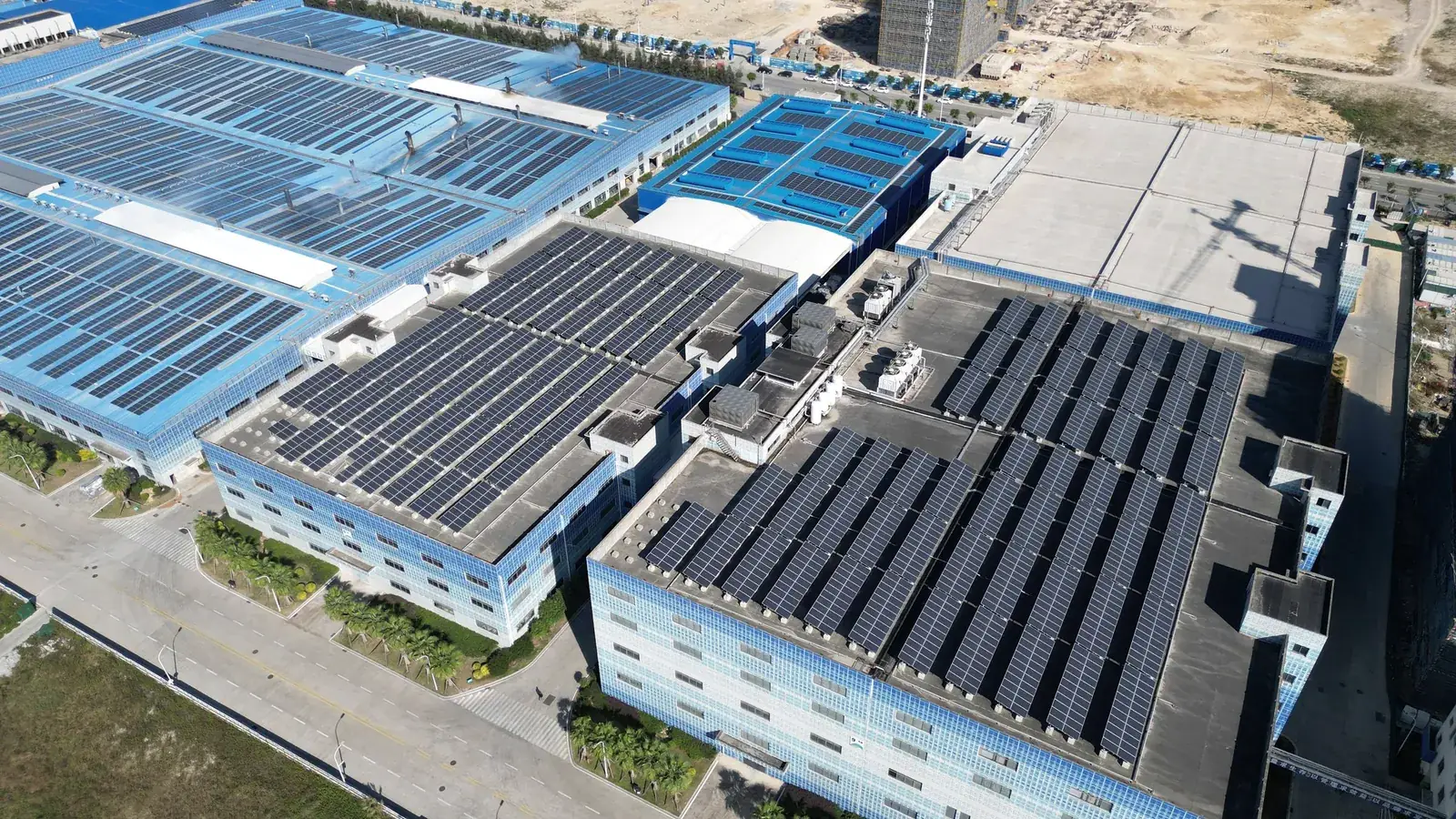
Use solar, wind or other renewable supply for warehouses and hubs where the site and grid connection allow it. Check subsidies and incentives from national governments and the EU; they can lower the cost of the change.
Automate order handling and planning to cut paperwork and enable better load planning, which reduces emissions. Artificial intelligence and machine learning can take repetitive booking and allocation tasks so planners spend time on exceptions and fill rates.
Use demand and volume forecasts to spot peaks before they create extra trips, air freight or poorly filled vehicles.
Use route optimisation to plan the shortest practical paths, fewer empty kilometres and fewer failed deliveries. Combine it with realistic time windows and vehicle constraints so the plan can be executed.
Autonomous vehicle technology is developing fast. It is not yet mainstream for most European networks. Where a closed site or a defined lane is suitable, trials can show whether driver-assist or autonomous equipment would later reduce fuel use and empty running.
Record fuel, energy and shipment data in a system that cannot be quietly edited after the fact. Blockchain is one way to keep a shared, time-stamped record with carriers and customers. The value is auditability, not the technology brand.
Start with a measurement of logistics-related emissions across transport and sites. Without that baseline, later projects are hard to prioritise.
Fuel efficiency, fewer idle minutes, electric or hybrid vehicles on suitable lanes, and better load management usually come before offsetting. Carbon offsetting compensates for remaining emissions by funding verified emission reductions elsewhere. It does not replace operational cuts.
Green procurement means buying from suppliers that can show how they produce and ship. Sustainable packaging can also reduce waste and protect shelf life.
Visibility tools help you follow the network in real time and see where extra trips or poor fill still sit. Combine that picture with the ten steps above.
If you want to review how these steps apply to your network, contact us.
Tell us about your situation — we will look together at which model could fit you.
How 4PLs help EU shippers connect green-logistics rules, reporting and day-to-day freight operations without treating sustainability as a separate side project.
Read article
4PLs run the whole supply chain, which puts them in a position to cut emissions and waste. Four business benefits, three hurdles, and seven practical steps.
Read article
European businesses face seasonal demand swings — from retail peaks during the holidays to industry-specific fluctuations in agriculture, tourism, and manufacturing.
Read article