
4PLs: bridging the gap in the EU green logistics drive
How 4PLs help EU shippers connect green-logistics rules, reporting and day-to-day freight operations without treating sustainability as a separate side project.
Read article
4PLs control the whole supply chain, which makes them well placed to cut emissions and waste. Here is how, and what it means for your business.
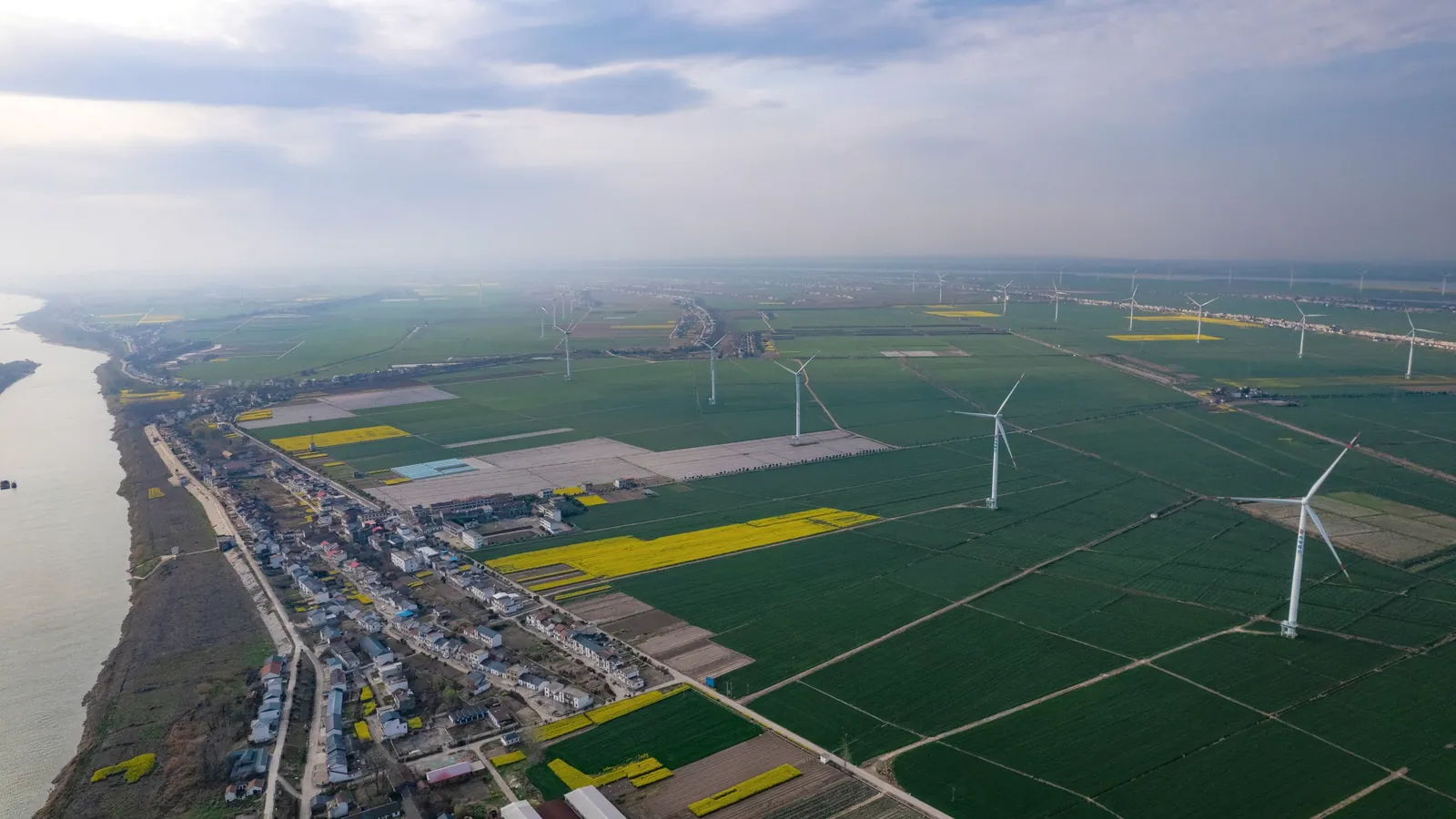
Climate pressure has made sustainability a logistics issue, not a side project. Fourth-party logistics (4PL) providers sit across procurement, warehousing, distribution and data, so they can change fuel use, empty running and waste in one plan. Wiima Logistics works in that model. Sustainable operations can support cost, brand and customer expectations at the same time — if the work is specific, not a slogan.
Unlike a traditional provider that sells one function, a 4PL takes end-to-end management: procurement, warehousing, distribution, after-sales and data. That span is what makes emissions work practical. You can only cut waste if you can see the whole chain.
Logistics used to be treated mainly as a cost and carbon source: heavy assets and high emissions. Modern 4PLs treat sustainability as an operating objective: better use of vehicles and sites, less waste, and clearer supplier standards, alongside a network that can still flex.
4PLs such as Wiima use planning systems and analytics to tighten routes, cut energy use and improve forecasts so surplus stock and empty kilometres fall. They also advise clients on how the physical network should look if sustainability is a stated goal.
Optimising routes and energy use usually lowers cost as well.
Three working methods:
A 4PL can then serve as a long-term partner on both cost and sustainability goals.
Switching to a more sustainable 4PL model is an environmental choice and a commercial one. Here are four benefits businesses can expect:
The benefits are real; so are the hurdles. Three that businesses meet most often:
The right 4PL partner brings the experience to work through these hurdles.
Turning the aim into practice can follow a simple sequence, of the kind Deloitte describes for building a sustainable supply chain, like this:
Sustainable logistics can serve both the business and the environment. Challenges remain, but a clear plan and a capable 4PL make them manageable.
As tools improve, 4PLs will have more ways to measure and cut impact. Wiima’s role is to put that measurement into daily planning, not into a separate report.
Ready to make logistics more sustainable? Contact Wiima Logistics to discuss a resilient, efficient chain that meets the needs of the business and its customers.
We will review your current logistics together and see where 4PL management could help.
How 4PLs help EU shippers connect green-logistics rules, reporting and day-to-day freight operations without treating sustainability as a separate side project.
Read article
Ten practical steps that cut logistics emissions — and often cost — from load planning and routing to renewable energy and measurement.
Read article
European businesses face seasonal demand swings — from retail peaks during the holidays to industry-specific fluctuations in agriculture, tourism, and manufacturing.
Read article