
4PLs and reverse logistics: solving Europe’s return management problem
How 4PLs solve Europe’s reverse logistics challenge: returns, visibility and cost control beyond what traditional 3PLs typically deliver.
Read article
With the rise of D2C and e-commerce, the last mile has become the most critical leg of the delivery chain in Europe — expensive, visible and tightly regulated.
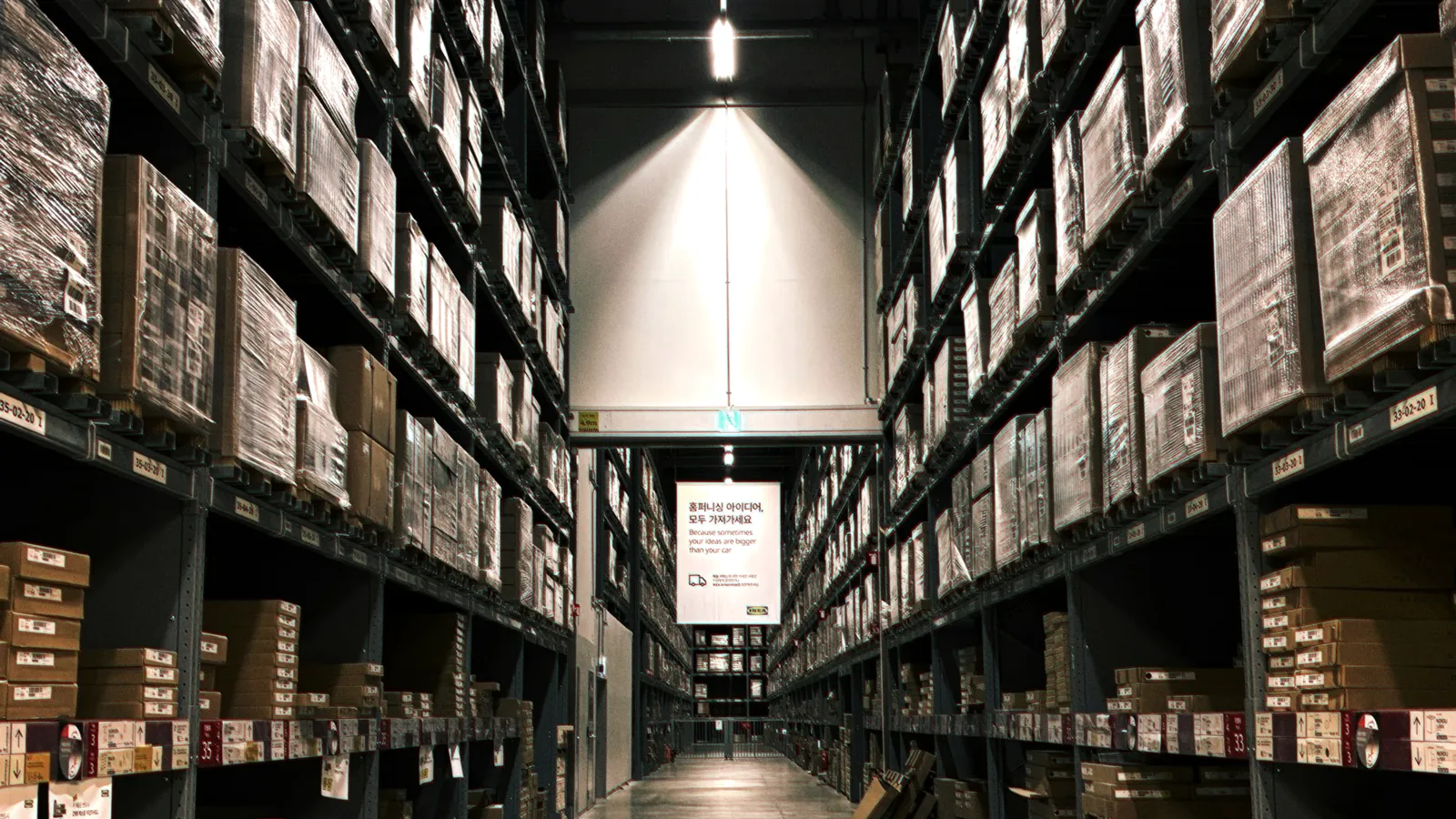
In Europe, last-mile delivery is both a cost problem and a service differentiator. Consumer expectations keep rising for faster, more reliable and more transparent deliveries. Fourth-party logistics (4PL) providers work with carriers, warehouses and shippers so that growth in e-commerce and direct-to-consumer (D2C) volumes does not rest on a single operator’s last-mile fleet.
This article looks at how 4PLs refine last-mile delivery across Europe: operations, customer experience and the wider chain.
Last-mile delivery is the final step from a distribution centre to the end user. It is often the most expensive and time-consuming part of the shipping process.
Complexity is high in Europe. Urban centres are congested; rules on emissions and vehicle types differ by city; geography runs from dense metros to remote villages. The last mile is also the moment that shapes customer satisfaction.
As demand for rapid delivery grows, companies feel pressure on transit times — and some customers will pay more for a reliable slot. That raises the premium on route optimisation and on how vehicles and people are allocated, not only on speed.
The European Union’s Sustainable and Smart Mobility Strategy sets environmental milestones for 2030, including 30 million zero-emission vehicles on the road and 100 climate-neutral cities. That agenda is already showing up as low-emission zones and limits on internal-combustion vehicles in many urban areas.
Shoppers expect short lead times and flexible time windows. Meeting those expectations depends on transport planning and on how the rest of the chain feeds the last mile.
Last-mile rounds typically involve many stops and low volume per stop. Fuel, vehicle upkeep and parking therefore cost more per unit than on line-haul.
Many last-mile operations still lack reliable tools for planning and exception handling. Without usable data, routing and capacity decisions stay reactive.
Large European cities see very high daily parcel counts, with sharp peaks around events such as Black Friday. Networks that cannot flex storage and courier capacity feel those peaks as missed slots and extra cost.
Environmentally friendlier vehicles, better route planning and tighter fleet control all help, provided they are run as one plan rather than separate projects.
Moving to a 4PL model is a significant step forward for last-mile delivery, beyond what a typical third-party logistics (3PL) contract covers.
A 3PL usually runs a defined slice of the chain. A 4PL coordinates several 3PLs and carriers, with a view of the whole network. That matters for e-commerce and D2C brands that need shorter transit times without owning the last-mile assets.
4PLs reshape last-mile delivery by integrating those parties, rather than adding another warehouse of their own.
Fourth-party logistics providers differ from 3PLs. Unlike most 3PLs, they do not need to own the vans. They manage flow through technology, contracts and planning. In Europe that typically means:
Advanced technology. Control towers, the Internet of Things (IoT) and analytics help to optimise routing, automate dispatch and predict and minimise disruptions in real time. The aim is fewer failed deliveries and a more precise arrival at the door.
Tailored capacity. 4PLs scale resources up for seasonal peaks and down in quieter weeks. At Christmas they often add courier capacity; they can also arrange buffer storage near cities so last-mile capacity is not overloaded at peaks.
Lower-emission operations. The EU’s focus on carbon makes route length, electric vehicles and, in dense centres, bicycle couriers part of the design. Many operators already use electric vans in cities (for example EV Cargo’s road freight). Lasting impact still depends on managing Scope 2 and Scope 3 emissions across the chain, not only the final van.
Customer experience. For an online brand, the last mile is often the only physical meeting with the customer. 4PLs connect retailer, courier and recipient: tracking in real time, flexible slots and a workable returns process.
Collaborative networks. A 4PL draws on local courier specialists as well as national carriers, so local knowledge sits under one planning layer.
When the model works, the benefits are concrete:
Lower delivery cost. Better routes and fewer wasted stops reduce last-mile spend.
Speed and reliability. More predictable windows support D2C trust.
Adaptation to change. New city rules or shifts in buying behaviour can be absorbed in the network design instead of in a single fleet.
Sustainability. Green options help companies stay aligned with EU emissions rules and their own targets.
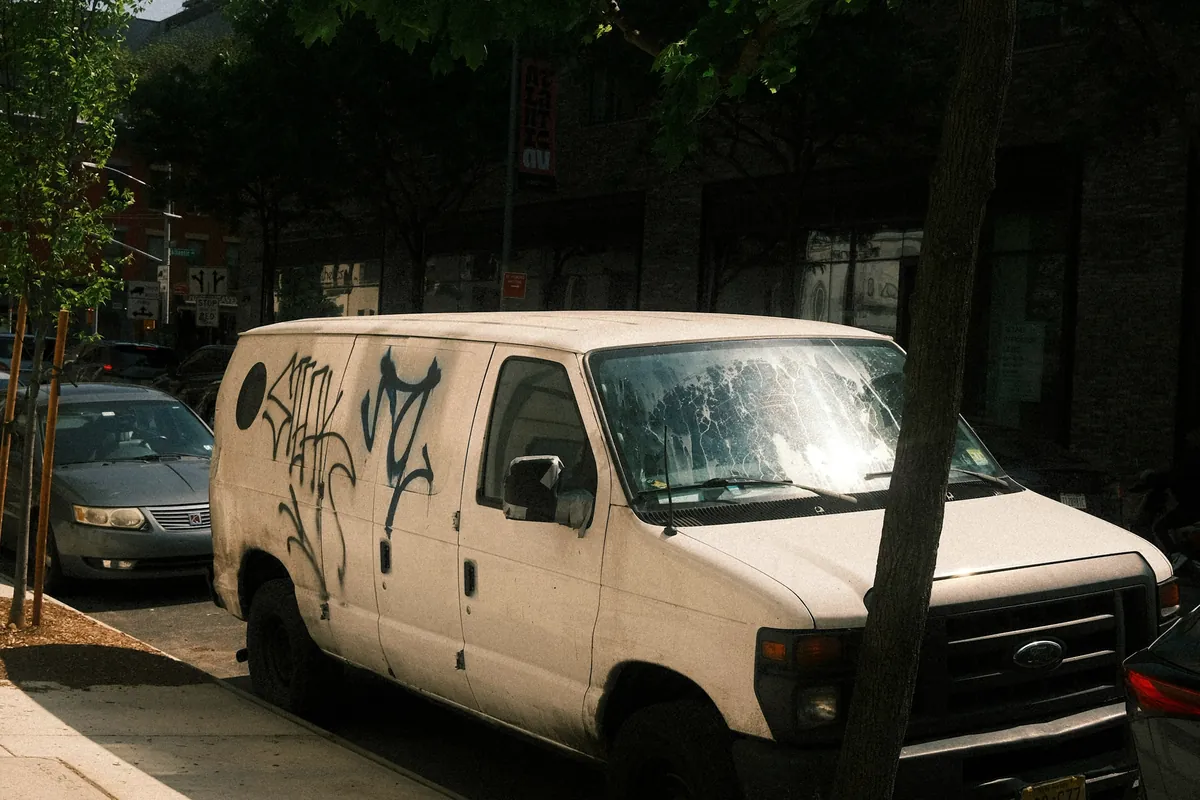
In Europe, last-mile performance now depends on how well analytics, partner networks and tailored plans sit together. If you want to tighten last-mile delivery, a 4PL such as Wiima can help you match capacity to the European market: faster where it counts, more reliable, and planned with emissions in view.
Contact Wiima to discuss how we tailor 4PL solutions to your last-mile needs.
We will review your current logistics together and see where 4PL management could help.
How 4PLs solve Europe’s reverse logistics challenge: returns, visibility and cost control beyond what traditional 3PLs typically deliver.
Read article
How 4PLs help European SMEs compete: end-to-end orchestration, visibility and scale without building a large in-house logistics team.
Read article
How a 4PL coordinates warehousing and inventory in Europe: one control layer across 3PL sites, not a bigger warehouse of its own.
Read article