
The role of 4PLs in supporting SMEs in Europe
How 4PLs help European SMEs compete: end-to-end orchestration, visibility and scale without building a large in-house logistics team.
Read article
Returns are a cost centre for European e-commerce. A 4PL can turn reverse logistics into a controlled process: visibility, routing and cost, rather than a stream of one-off parcels.
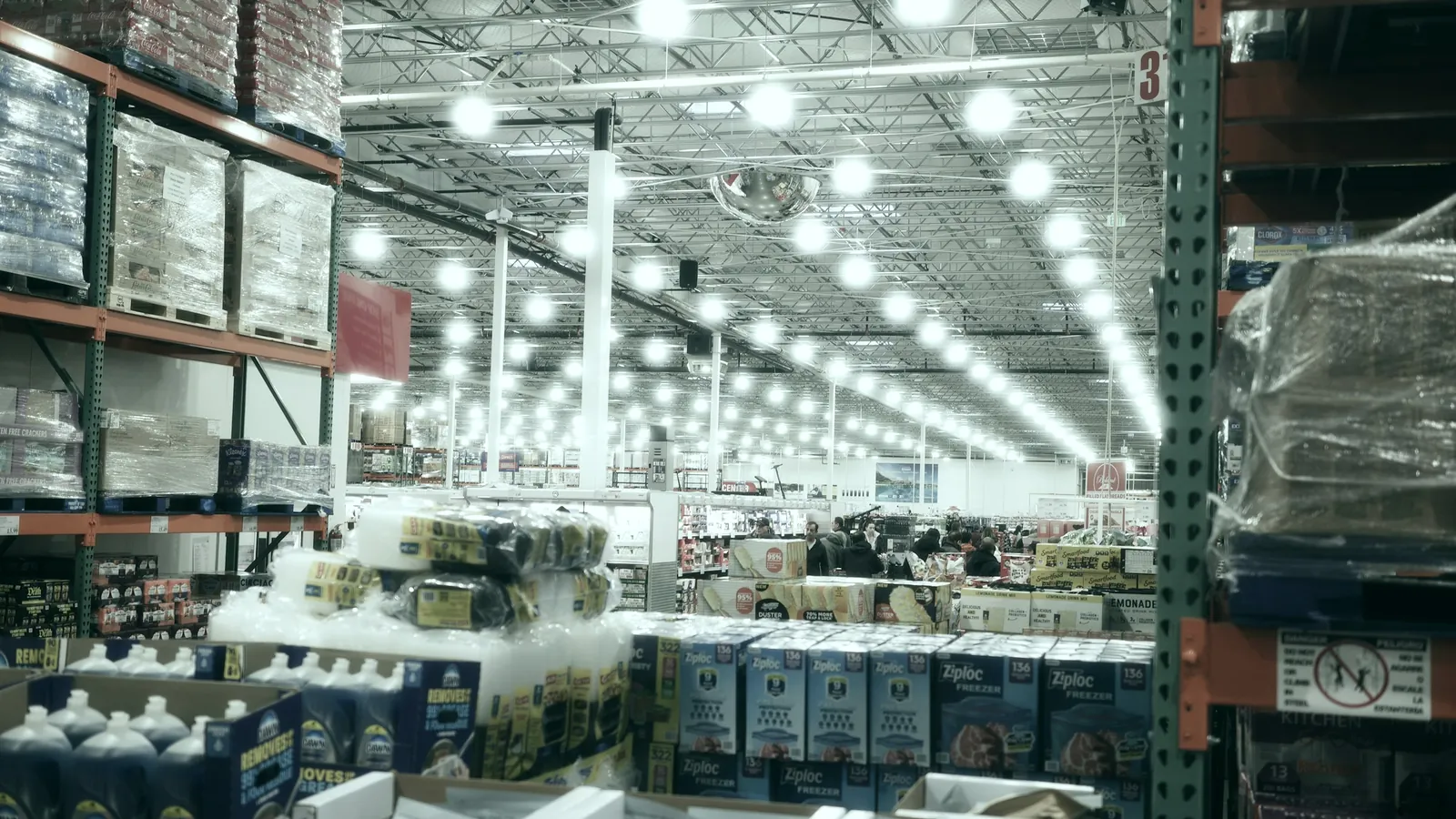
Reverse logistics is the process of managing returns, refurbishment and recycling: moving goods from the buyer back to the seller or a recovery point. In Europe it has become a core supply-chain issue, not a side task.
It is harder than outbound logistics. It means collecting small parcels from many consumers and consolidating them back to the seller or a processing hub. Return rates vary by category and channel, and the cost of handling them puts real pressure on margins for online retailers. E-commerce growth, sustainability rules and customer expectations sit on top of that operational load.
Fourth-party logistics (4PL) providers work as integrators across the chain. They can take returns off the day-to-day firefighting list so commercial teams stay focused on selling.
This article looks at how 4PLs support return management in Europe, how they work in practice, and where the limits are.
E-commerce growth across Europe has increased return volumes. Online shoppers cannot inspect goods before purchase, so return rates are typically higher than in brick-and-mortar retail. The exact share varies by category and market.
Returns are also expensive. Transport, labour and restocking eat into the original sale. Extra trips add carbon and waste — a problem in a region that takes sustainability seriously.
EU consumer law gives a statutory right of withdrawal for most distance sales, but it does not require free returns: the trader may pass return shipping costs to the consumer if that was made clear. Market pressure to offer free returns still complicates the picture for many retailers.
Unlike 3PLs, which focus on executing specific logistics tasks such as warehousing or transportation, 4PLs act as strategic integrators that manage the entire supply chain, including returns. That end-to-end view is what lets them treat reverse logistics as a designed process.
4PLs consolidate reverse logistics across Europe. Using networks of 3PL providers, regional warehouses and last-mile carriers, they can send returns to the right hub rather than the nearest random depot.
A 4PL working for a pan-European retailer can route returns by proximity, product type or resale potential. That can cut transport cost and handling time.
Centralisation can worry teams who fear slower refunds. Real-time visibility and automated workflows are how a 4PL keeps the customer promise while still consolidating the physical flow.
4PLs use forecasting tools, shipment tracking and operational data to run reverse logistics as a process, not a pile of exceptions. Teams can follow return movement in real time, anticipate seasonal spikes and see where cost still sits.
For example, an analytics platform can show which products come back most often and why. With that picture, businesses can reduce fraud and improve product descriptions or packaging.
Technology has a cost. A 4PL’s shared systems spread that cost across a client base, which is often cheaper than each shipper buying the same stack alone.
Europe’s circular-economy rules make returns handling part of product compliance, not a side warehouse job. 4PLs can sort returned goods for resale, donation or recycling, and keep the paper trail digital so the same shipment is not handled twice.
4PLs offer many benefits; for reverse logistics, these four matter most:
Cost control. With a view of the whole chain, a 4PL can consolidate returns and choose routes that waste fewer kilometres.
Customer experience. Automated labels, drop-off points and tracking in real time make a return easier to complete. In competitive European retail, a clean returns experience supports loyalty.
Regulatory compliance. Rules such as the Waste Electrical and Electronic Equipment (WEEE) Directive and the General Data Protection Regulation (GDPR) sit on top of ordinary freight law. A 4PL’s job includes keeping documentation in line so penalties are less likely.
Scalability. As return volumes grow with market expansion, the same control layer can add hubs and carriers without rebuilding the process from scratch.
As European logistics changes, 4PLs will keep sitting at the centre of reverse-flow design. Product-as-a-service, more personalised return journeys and lower-carbon transport will all need a coordinator who can change routing and partners without rewriting every contract.
In a high-cost European market, reverse logistics is a margin and service issue, not a back-office chore. Wiima’s 4PL work is to map the returns flow, show where cost and delay sit, and put visibility, routing and recovery on one plan.
Contact Wiima to review your reverse logistics and see where a 4PL model would help.
We will review your current logistics together and see where 4PL management could help.
How 4PLs help European SMEs compete: end-to-end orchestration, visibility and scale without building a large in-house logistics team.
Read article
How 4PL providers coordinate last-mile delivery in Europe: routing, capacity, returns and lower-emission urban options beyond a single 3PL.
Read article
How a 4PL coordinates warehousing and inventory in Europe: one control layer across 3PL sites, not a bigger warehouse of its own.
Read article