
Managing seasonal demand fluctuations with 4PL providers in Europe
European businesses face seasonal demand swings — from retail peaks during the holidays to industry-specific fluctuations in agriculture, tourism, and manufacturing.
Read article
European freight is expensive, congested and tightly regulated. A 4PL can plan routes, visibility and consolidation across borders so shippers spend less time stitching carriers together.

European supply chains sit under constant pressure: high fuel and labour costs, congested roads, environmental zones, and customers who expect faster, cleaner deliveries. Cross-border clearance still has to work first time. Many companies cannot run that network in-house without pulling people away from product, finance and sales.
A fourth-party logistics (4PL) provider is a strategic partner that plans and runs the whole chain, not a single warehouse or lane. Freight management covers planning, execution, tracking and ongoing improvement.
Fourth-party logistics (4PL) providers differ from third-party logistics (3PL) operators by taking responsibility for the end-to-end process. A 3PL usually delivers one logistics function, such as transport or warehousing. A 4PL acts as an integrator: it coordinates 3PLs, carriers, warehouses and technology so decisions serve the whole network, not one node.
That end-to-end approach is especially useful in Europe, where chains cross several countries, languages and rule sets. Technology and analytics give a 4PL a single picture of the network. With that picture it can improve routes, control cost, support compliance and raise service.
Freight in Europe is shaped by cross-border complexity, high labour costs and uneven demand. The main pressures include:
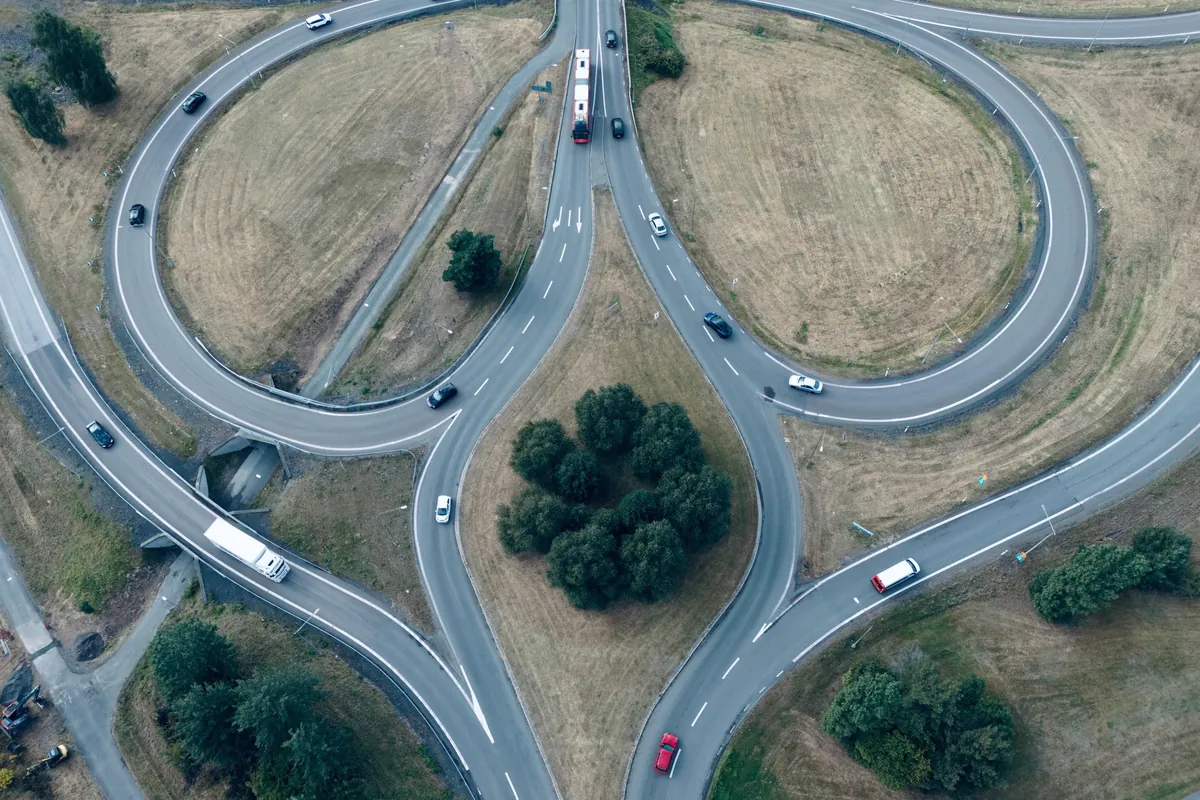
Route optimisation means choosing paths that cut transit time and fuel while still hitting delivery windows. In Europe, congestion, low-emission zones and differing road tolls make that a daily planning job.
4PLs use planning software and live data to adjust routes. They weigh traffic, fuel, tolls and weather. The result is shorter transits and more reliable arrivals.
A shipment from Germany to Spain might avoid a high-toll, congested corridor at peak hours, then use a different road at quieter times.
Visibility lets companies see shipments in real time, warn customers of delay, and set contingency plans from data rather than guesswork. That is hard when several providers work in several countries.
4PLs build visibility with connected planning tools, GPS and a shared dashboard. Shippers can follow location, estimated arrival and, where needed, temperature for sensitive cargo.
With that picture, issues show up early. If a load from Poland to the UK is delayed by weather or a breakdown, the 4PL can switch route or mode before the customer misses a slot.
European freight costs follow energy, labour and tax. One practical lever is consolidation: combining smaller consignments so vehicles run fuller. That cuts trips, overhead and transport spend.
Fuller vehicles also cut emissions per tonne, which matters for companies measuring transport emissions under sustainability reporting rules and customer scrutiny. The same model is especially valuable for SMEs that cannot fill a trailer on their own. A 4PL handling several Dutch shippers, for example, might combine France-bound goods instead of running separate partly filled vans.
Customers and regulators now expect greener logistics. On European freight, a 4PL can cut empty kilometres through the same routing and consolidation used for cost, and work with carriers that report fuel use and run newer equipment.
Digital documents reduce paper handling on borders. Sustainability then sits inside daily planning rather than as a separate campaign. For how returns and reverse flows fit the same picture, see 4PLs and reverse logistics in Europe.
Geopolitics, trade policy and demand spikes often disrupt European chains. A 4PL can add or drop capacity without the shipper buying fleet or extra warehouse space.
If consumer electronics demand rises before a holiday, extra road or air space can be booked on the existing network. If a regulation or trade dispute closes a lane, cargo can move to another mode or border.
Wiima works on European freight management: multi-country routing, visibility and compliance. Seven benefits of partnering with a 4PL in Europe sets out the model in more detail.
A 4PL should show where cost, visibility and reporting can improve — not promise instant savings. Start-ups entering new markets, SMEs with thin logistics teams, and larger firms simplifying a messy network all use the same control layer, sized to volume.
Contact Wiima to review where a 4PL-managed European network would help.
We will review your current logistics together and see where 4PL management could help.
European businesses face seasonal demand swings — from retail peaks during the holidays to industry-specific fluctuations in agriculture, tourism, and manufacturing.
Read article
Common myths about a logistics partnership – and how the right partner improves control, cost and day-to-day service performance for buyers.
Read article
How 4PLs solve Europe’s reverse logistics challenge: returns, visibility and cost control beyond what traditional 3PLs typically deliver.
Read article