
7 benefits of partnering with a 4PL in Europe
Managing European logistics can be a complex task due to the need for seamless coordination across multiple countries and markets.
Read article
DataHorizzon Research valued the 4PL market at USD 63.9 billion in 2022 and projected it to reach USD 129.4 billion by 2032, a 7.4% compound annual growth rate.
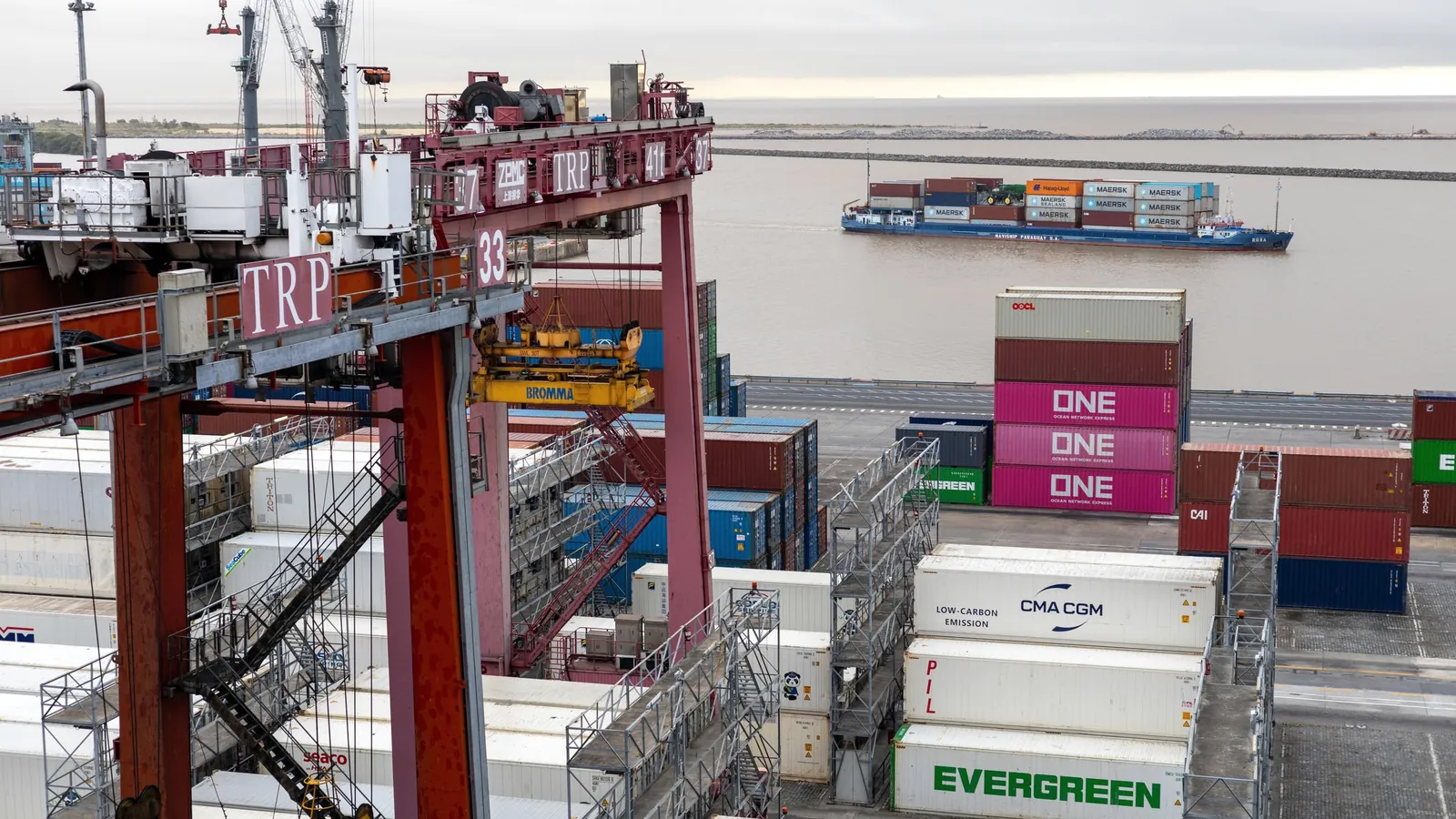
That DataHorizzon Research forecast rests on 4PL companies simplifying complicated supply chains and supporting international expansion.
Global markets are moving from a 3PL-centred model towards a wider 4PL layer. Polaris Market Research has described a path towards a much larger 4PL user base by the end of the decade — roughly double the 10,000 businesses it captured in 2021, in the order of 20,000 companies. North America is described as the second-fastest-growing 4PL market after Asia Pacific. That reflects a shift in global logistics, and Europe is moving in the same direction.
Retail and e-commerce dominated the 4PL market in 2021, and that pattern is expected to last. Continued e-commerce growth is expected to drive demand for both 3PL and 4PL services in this period.
On top of conventional 3PL services, 4PLs offer supply chain management services. They act as a single command centre for warehousing and fulfilment, logistics strategy, freight sourcing, business planning and project execution. Unlike most 3PLs, they generally do not own the warehouses or fleets; they partner with asset owners.
They also run the systems that matter for supply chain management: warehouse management systems (WMS), transport management systems (TMS) and related network software. 4PLs use their supplier and fulfilment networks to keep service levels high and costs low.
Typical extra work includes:
Fourth-party logistics (4PL) providers are not only extra capacity. They sit as strategic allies when demand swings, service expectations rise and sustainability becomes a contract issue. 4PLs combine modern technology with deep logistics experience to raise efficiency. Below are seven strategies they use.
4PLs merge artificial intelligence (AI) and the Internet of Things (IoT) so planners see the chain, run predictive analytics and automate routine decisions. That digital backbone simplifies daily work and shows where the operation is heading.
4PLs start from the company’s actual constraints: cross-border rules, peak volumes, service promises. The design should stay flexible and cost-aware when those constraints move.
A 4PL’s main asset is often its partner panel: specialist carriers and technology providers. Those relationships support pricing, access to tools and the ability to change route or mode when the market shifts.
Companies that need a clear picture of stock and shipments look to 4PLs for tracking and shared platforms. Visibility in real time supports faster decisions, inventories at the right level, and operations that still meet the customer promise.
As the focus on environmental impact grows, 4PLs work on routing and packaging that use less fuel and material. That can improve efficiency as well as aligning with buyers who ask for lower-impact logistics.
In the spirit of kaizen, 4PLs review methods, add tools that earn their keep and drop steps that do not. The chain is treated as something to keep tuning, not a one-off go-live.
Managing supply chain risk and complex trade regulations is a core 4PL competence. With strong risk and compliance frameworks, 4PLs support lawful operations and reduce the chance of surprise cost and delay.
European companies that want a more consistent chain often choose a 4PL for technology, a partner network, visibility, sustainability, process discipline and risk control. Wiima’s 4PL offering is built on that mix.
Reach out today to discuss how this would look on your lanes.
We will review your current logistics together and see where 4PL management could help.
Managing European logistics can be a complex task due to the need for seamless coordination across multiple countries and markets.
Read article
How fourth-party logistics providers are changing European supply chains: visibility, end-to-end control, flexibility, sustainability and continuous improvement.
Read article
Companies are built around a product. Moving that product to market is a logistics problem a 4PL can own from planning through delivery.
Read article