
7 benefits of partnering with a 4PL in Europe
Managing European logistics can be a complex task due to the need for seamless coordination across multiple countries and markets.
Read article
Companies are built around a product idea. Getting that product to market is a different problem: procurement, warehousing and delivery all compete for time and attention.
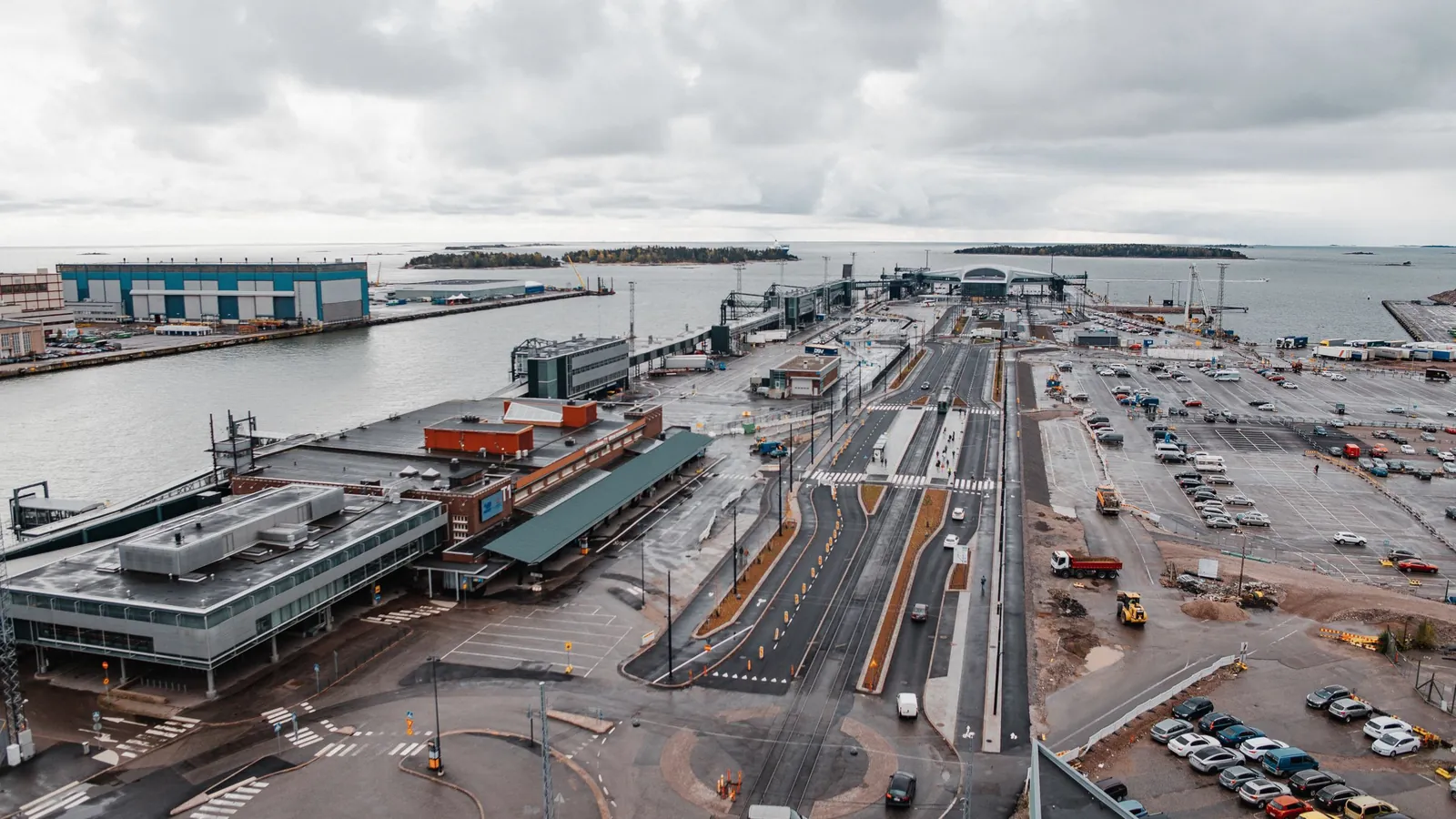
Much of a company’s resources, time and effort go into logistics — from timely procurement and warehousing to efficient delivery. Those steps are often too complex for a team whose real job is the product.
A 4PL provider can take over that complexity. Here is how.
Fourth-party logistics (4PL) is not simply another layer on top of a 3PL. Traditional logistics management focuses on the operational side of transport and warehousing. A 4PL works at strategy level as well: it partners with the company to plan, measure and improve the end-to-end chain, not only to move goods.
Think of a dedicated supply chain architect. The aim is that each process and each partner is aligned, so material flow and information flow stay in step. That is the gap between day-to-day execution and strategy. Below are six reasons businesses choose a 4PL.
One-size-fits-all rarely works in logistics, especially when a standard 3PL catalogue is the only offer. 4PLs such as Wiima design the operating model around the client.
If the supply chain is an orchestra, procurement, transport and warehousing are the instruments. They only work together if someone conducts.
Communication often fragments when transport, warehousing and inventory each have their own vendor. Information sits in silos.
A 4PL’s core offer is a single point of contact: one party owns the conversation and the plan.
Transactional buying of warehouse slots and lanes is common. A 4PL is meant to work as a long-term partner.
Good service is not only ticket-handling. 4PLs aim to pre-empt issues and improve the user experience before a shipment fails.
4PLs combine technology with strategic foresight. The point is not to install software for its own sake, but to use it for better decisions.
As markets grow more complex, a trusted counterpart matters. With years of experience, Wiima combines strategic insight, integrated technology and attentive customer service.
Working with Wiima typically means:
If you want to scale, simplify or future-proof material and information flow, contact us to discuss how a 4PL model could work for your business.
We will review your current logistics together and see where 4PL management could help.
Managing European logistics can be a complex task due to the need for seamless coordination across multiple countries and markets.
Read article
How fourth-party logistics providers are changing European supply chains: visibility, end-to-end control, flexibility, sustainability and continuous improvement.
Read article
DataHorizzon Research valued the 4PL market at USD 63.9 billion in 2022 and projected it to reach USD 129.4 billion by 2032.
Read article